About QCRY
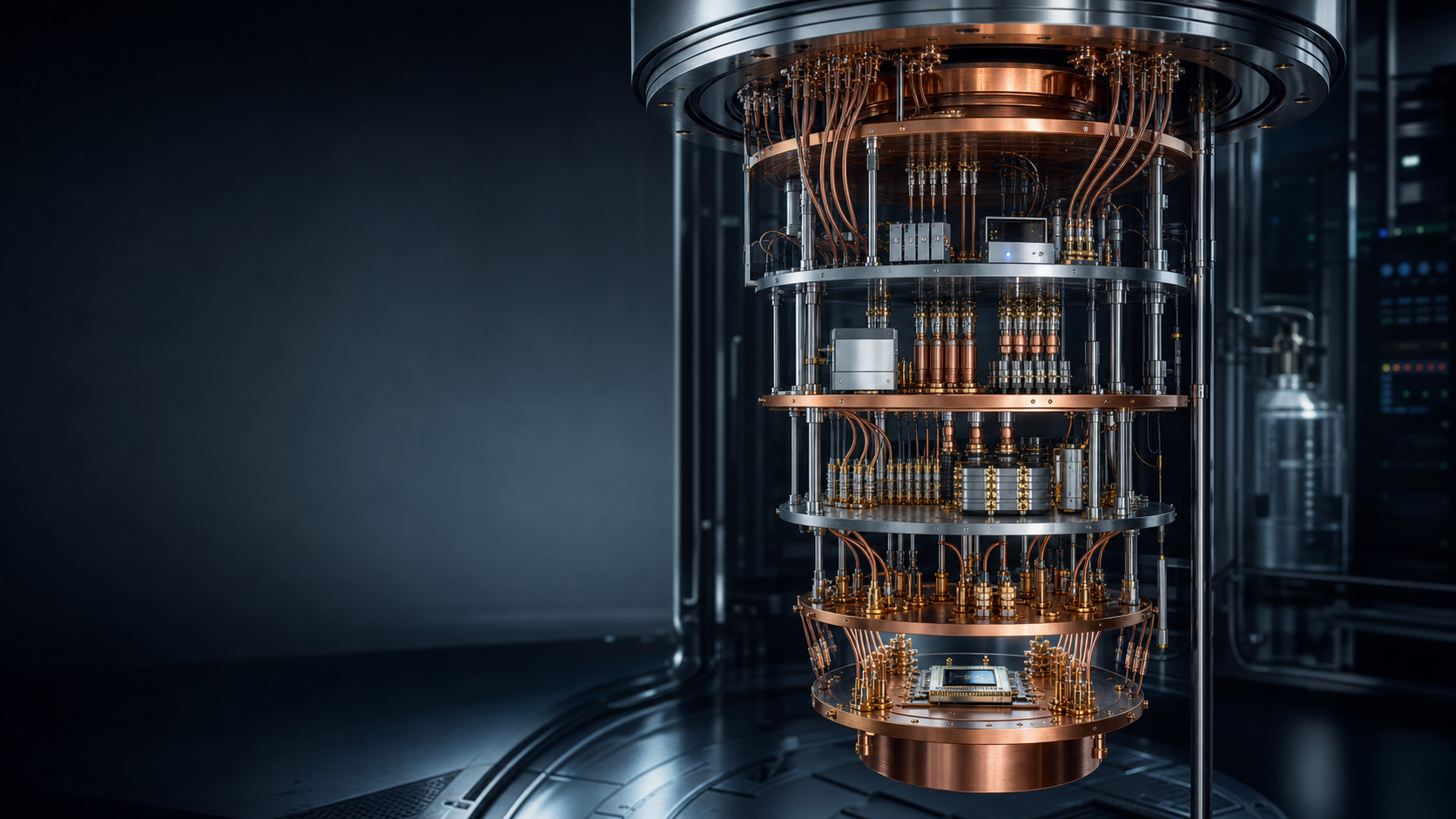
QCRY is a guide to the cold side of quantum technology. If you have seen the gold chandelier image of a quantum computer and wondered what all those plates and cables actually do, this is the place to start.
From there, QCRY gets more serious: it connects public specifications, research sources, supplier categories, and operating tradeoffs so engineers, buyers, students, and analysts can talk about quantum cryogenics with shared language.
QCRY stands for Quantum Cryogenics. The site exists to explain and map the cold infrastructure behind quantum technology.
The public conversation around quantum computing often centers on algorithms, qubit counts, and theoretical speedups. QCRY focuses on the physical systems that make quantum hardware possible: refrigerators, cryostats, wiring, amplifiers, filters, sensors, materials, packaging, and the engineers who build and maintain them.
Mission
QCRY’s mission is to make quantum cryogenics understandable, searchable, and commercially legible.
Editorial principles
- Explain before promoting.
- Separate public specifications from marketing claims.
- Link to primary sources whenever possible.
- Mark sponsored content clearly.
- Keep pages useful for both experts and serious beginners.
- Update supplier and benchmark pages as the market changes.
Who QCRY is for
- Engineers entering quantum hardware.
- Students choosing a research path.
- Investors and strategists studying quantum infrastructure.
- Journalists covering quantum computing.
- Buyers comparing cold hardware.
- Suppliers who want their category explained correctly.
What the diagram shows
Research sources
- NIST Quantum Characterization: https://www.nist.gov/programs-projects/quantum-characterization
- QED-C workforce: https://quantumconsortium.org/workforce/
- OECD business readiness for quantum computing: https://www.oecd.org/en/publications/building-business-readiness-for-quantum-computing_ee847e5f-en.html